Georgia Wood Destroying Insect Inspection
Official Georgia Wood Destroying Insect inspections in Newnan with licensed inspectors providing NPMA-33 forms for real estate closings—protect your home from termites and wood-destroying pests.
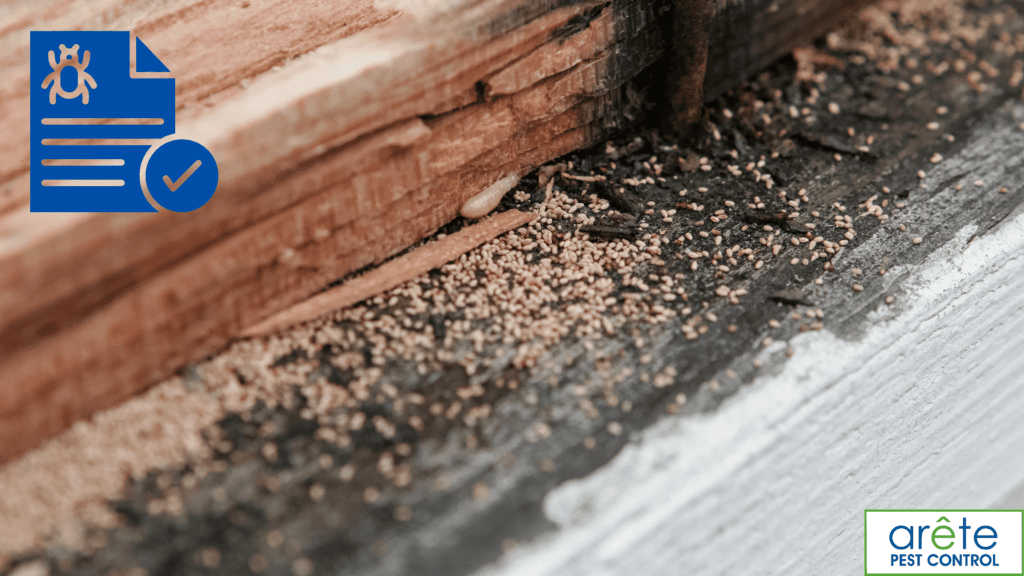
Georgia Wood Destroying Insect Inspections in Newnan, GA
Official Termite & WDI Inspections for Real Estate Transactions Protect your Newnan home investment with professional Wood Destroying Insect (WDI) inspections. Required for most real estate closings in Georgia, our licensed inspectors identify termites, wood-boring beetles, and other wood-destroying organisms that can cause thousands in structural damage.
What is a Wood-Destroying Insect Inspection?
A Wood Destroying Insect (WDI) inspection, commonly called a termite inspection, is an official examination of a property for evidence of wood-destroying insects and organisms. In Georgia, this includes:
Subterranean Termites – The most common and destructive wood pest in Georgia
Drywood Termites – Less common but still present in Georgia
Wood-Boring Beetles – Powder post beetles, old house borers, and others
Carpenter Ants – Can cause significant structural damage
Wood Decay Fungi – Rot and decay from moisture and fungal growth
The inspection results in an official NPMA-33 Form (Wood Destroying Insect Inspection Report) required by most lenders, real estate contracts, and VA/FHA loans for property closings in Georgia.
Why Georgia Requires WDI Inspections
High Termite Activity Georgia is in the highest termite activity zone in the United States. The warm, humid climate provides ideal conditions for termite colonies year-round.
Severe Structural Damage Risk Termites cause over $5 billion in property damage annually nationwide. A single colony can consume pounds of wood per day, compromising structural integrity.
Lender Requirements Most mortgage lenders require official WDI inspections and treatment of active infestations before closing, especially for FHA and VA loans.
Real Estate Contract Standards Georgia real estate contracts typically include termite inspection contingencies, making WDI reports standard practice for closings.
Hidden Damage Termites work inside wood, often showing no visible exterior signs until severe damage occurs. Professional inspection is the only way to detect them.
Treatment Documentation Official NPMA-33 forms document any necessary treatments, providing proof for buyers, sellers, and lenders.
What We Inspect for Wood-Destroying Insects
Subterranean Termites:
Mud tubes on foundations, walls, or beams
Live termites or swarmers
Damaged wood with galleries
Discarded wings near windows or doors
Frass (termite droppings)
Moisture conditions conducive to termites
Drywood Termites:
Kick-out holes in wood
Pellet piles beneath infested wood
Damaged wood in attics or exposed framing
Swarmer evidence
Wood-Boring Beetles:
Exit holes in wood surfaces
Powder or frass near holes
Damaged wood with beetle galleries
Active beetle presence
Carpenter Ants:
Nest sites in wood
Sawdust piles
Live ants and trails
Damaged wood with smooth galleries
Wood Decay (Fungi):
Rot and decay in wood members
Moisture intrusion points
Fungal growth on wood
Structural damage from decay
Conducive Conditions:
Wood-to-ground contact
Moisture problems
Poor ventilation
Debris near foundation
Landscape mulch too close to structure
Areas We Inspect
Accessible Areas:
Interior living spaces
Basements and crawl spaces
Attics and accessible roof areas
Garages and carports
Attached porches and decks
Foundation perimeter
Visible structural components
Exterior Inspection:
Foundation walls and slabs
Exterior walls and siding
Windows and door frames
Eaves and fascia boards
Fence posts and wood structures
Wood piles and debris
Landscaping contact points
Limitations: We inspect all accessible areas but cannot inspect:
Behind finished walls
Under carpeting or flooring
Inside enclosed structural members
Areas blocked by belongings
Inaccessible crawl spaces (too small or unsafe)
The Official NPMA-33 Form
What is the NPMA-33? The National Pest Management Association Form 33 is the official Wood Destroying Insect Inspection Report recognized by lenders, real estate professionals, and government agencies nationwide.
What the Form Includes:
Property address and inspection date
Areas inspected and areas not inspected
Evidence of active infestation (Section 1)
Evidence of previous infestation or damage (Section 2)
Conditions conducive to infestation
Treatment recommendations if needed
Inspector license information
Company certification and guarantee
Form Sections Explained:
Section 1 – Active Infestation: Current evidence of live wood-destroying insects or organisms requiring treatment.
Section 2 – Previous Activity: Evidence of past infestation or damage, even if no longer active. May include old mud tubes, previous damage, or treatment evidence.
Conducive Conditions: Moisture issues, wood-to-ground contact, or other conditions that attract wood-destroying insects but don't require treatment.
When You Need a WDI Inspection
Home Purchases: Required for most residential real estate transactions in Georgia, particularly when financing a mortgage.
Refinancing: Many lenders require current WDI inspections (typically within 90 days) for refinance transactions.
FHA/VA Loans: Mandatory for all FHA and VA loan closings, with treatment required before funding if an infestation is found.
Pre-Listing: Sellers can proactively identify and treat issues before listing to avoid deal complications.
Annual Monitoring: Homeowners in termite-prone areas should inspect every 1-2 years for early detection.
After Swarming Season: Georgia termite swarms occur from spring through fall. Inspect after seeing swarmers in or around your home.
Before Major Renovations: Identify and treat infestations to prevent evidence from being covered by remodeling projects.
Property Transfers: Estate sales, divorce settlements, or other property transfers often require WDI documentation.
Treatment Recommendations
If Active Infestation Found (Section 1): Treatment is required and typically includes:
Subterranean Termite Treatment:
Liquid termiticide soil treatment around foundation
Baiting systems for long-term protection
Localized treatments for specific infestations
Treatment guarantees and warranties
Drywood Termite Treatment:
Spot treatments of infested wood
Fumigation for severe whole-structure infestations
Wood replacement if damage is severe
Wood-Boring Beetle Treatment:
Treatment of infested wood areas
Moisture correction to prevent recurrence
Wood replacement if structurally compromised
Wood Decay Treatment:
Moisture source elimination
Damaged wood removal and replacement
Preventive treatments to affected areas
Treatment Costs: We provide treatment recommendations but do not inflate costs. Treatment typically ranges from $500-$2,500 depending on infestation severity and home size.
Our WDI Inspection Process
Step 1: Schedule Your Inspection Call to schedule your official WDI inspection. We coordinate with your real estate timeline and closing date.
Step 2: Thorough Property Evaluation Our licensed inspector examines all accessible interior and exterior areas for evidence of wood-destroying insects.
Step 3: Documentation We photograph any findings and document conditions in detail for the official report.
Step 4: Official NPMA-33 Form Complete the official Wood Destroying Insect Inspection Report with all required information.
Step 5: Treatment Recommendations (If Needed) If infestation is found, we provide clear treatment recommendations and can coordinate with licensed pest control companies.
Step 6: Report Delivery Receive your official NPMA-33 form within 24-48 hours for real estate closing or lender submission.
Step 7: Follow-Up Support Available to answer questions from buyers, sellers, agents, or lenders about inspection findings.
Georgia Termite Season & Activity
Peak Swarming Seasons:
Spring (March-May): Primary termite swarming season in Georgia
Summer (June-August): Continued activity in warm weather
Fall (September-October): Secondary swarming period
Year-Round Activity: Georgia's mild climate allows termite colonies to remain active throughout winter, especially indoors.
Signs of Termite Activity:
Discarded wings near windows, doors, or light fixtures
Mud tubes on foundation or walls
Hollow-sounding wood when tapped
Bubbling or uneven paint on wood
Frass (termite droppings) or sawdust piles
Visible swarmers (flying termites)
Prevention Tips for Georgia Homeowners
Moisture Control:
Fix leaky faucets and pipes promptly
Ensure proper drainage away from foundation
Maintain gutters and downspouts
Use dehumidifiers in crawl spaces
Repair roof leaks immediately
Eliminate Wood Contact:
Remove wood debris near foundation
Keep mulch 6+ inches from siding
Eliminate wood-to-ground contact
Store firewood away from house
Remove tree stumps and roots
Ventilation:
Ensure proper crawl space ventilation
Install vapor barriers in crawl spaces
Ventilate attics adequately
Regular Inspections:
Annual professional WDI inspections
Monitor for signs of activity
Address conducive conditions promptly
Landscaping:
Trim shrubs away from house
Avoid excessive mulch against foundation
Grade soil away from structure
Remove dead trees near home
Serving Homeowners Throughout Coweta County
We provide Wood Destroying Insect Inspections in:
Newnan
Peachtree City
Fayetteville
Palmetto
Senoia
Sharpsburg
Grantville
Moreland
And all surrounding South Metro Atlanta communities
Why Choose Spotlight Property for WDI Inspections?
Licensed & Certified: Our inspectors hold required Georgia licenses for official WDI inspections and NPMA-33 form completion.
20+ Years Local Experience: We understand Georgia termite activity, common local species, and regional infestation patterns.
Thorough Inspections: We don't rush through inspections. Every accessible area receives careful examination.
Fast Report Delivery: Official NPMA-33 forms delivered within 24-48 hours to meet real estate closing deadlines.
Real Estate Professionals Trust Us: Realtors, lenders, and attorneys throughout Coweta County rely on our accurate, timely WDI inspections.
Clear Communication: We explain findings clearly and help you understand treatment needs and options.
No Sales Pressure: We provide honest assessments without pushing unnecessary treatments or services.
Treatment Coordination: If treatment is needed, we can recommend qualified, licensed pest control companies.
WDI Inspection Pricing
Residential WDI Inspection: Competitive flat-rate pricing for most single-family homes
Large or Complex Properties: Custom pricing based on square footage and accessibility
Volume Discounts: Available for builders, property management companies, or multiple properties
Add-On to Home Inspection: Discounted rate when combined with full home inspection
Contact us for specific pricing for your property and timeline needs.
Real Estate Closing Requirements
For Buyers:
Schedule WDI inspection during due diligence period
Review NPMA-33 form before closing
Verify any required treatments are completed
Obtain treatment guarantees and warranties
For Sellers:
Schedule pre-listing WDI inspection to identify issues
Complete treatments before listing or negotiate with buyers
Provide documentation of previous treatments
Disclose any known termite history
For Lenders:
Official NPMA-33 form required for file
Treatment completion certification if Section 1 items found
Recent inspection (typically within 90 days of closing)
Licensed inspector certification
For Realtors:
Coordinate inspection timing with contract deadlines
Help clients understand findings and treatment needs
Facilitate treatment negotiations between parties
Ensure proper documentation for closing
Termite Damage Can Be Devastating
Average termite damage repair costs:
Minor damage: $1,000-$3,000
Moderate damage: $3,000-$8,000
Severe damage: $8,000-$25,000+
Extreme cases: $50,000+ for major structural repairs
A $100-$150 WDI inspection can identify problems before they cause this level of damage.
Treatment costs ($500-$2,500) are minimal compared to repair costs for undetected infestations.
Don't Risk Your Biggest Investment
Every Georgia home is at risk for termite infestation.
According to industry statistics:
1 in 3 homes will be affected by termites at some point
Georgia has the highest termite activity in the nation
Termite damage is not covered by homeowners insurance
Early detection saves thousands in repair costs
Protect your investment with professional WDI inspection.
Schedule Your WDI Inspection Today
Required for closings, essential for protection. Contact Spotlight Property Inspections for official Georgia Wood Destroying Insect Inspections in Newnan and Coweta County. Our licensed inspectors provide accurate NPMA-33 forms and honest assessments to protect your home investment.